



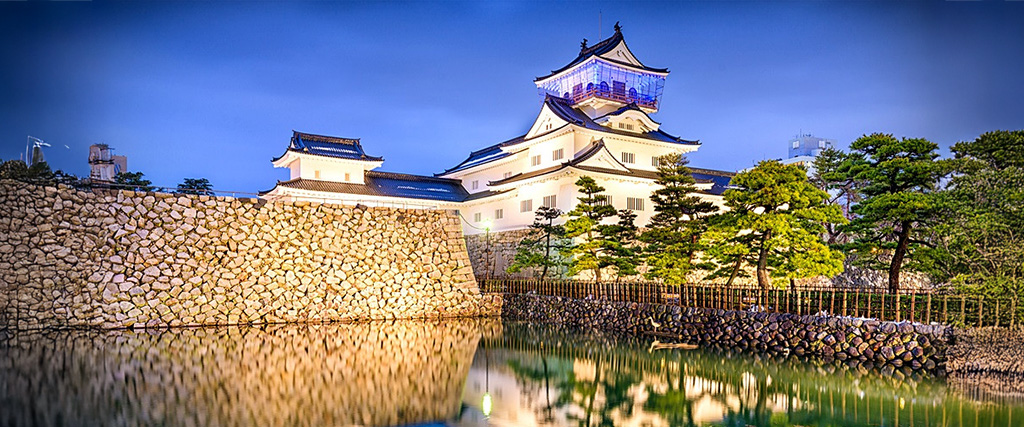
10D9N Circle Japan (Roundtrip from Tokyo)

Price from

MYR 7,486

Duration

9 Nights

Destination

Tokyo, Japan

Travellers

2

A Japan Circle Cruise is a popular way to explore the country's diverse coastline and culture, especially for travelers who prefer to unpack just once. Most itineraries start and end in a major Japanese port like Tokyo (Yokohama)

These cruises offer a comprehensive loop of Japan's main island (Honshu) and typically visit a mix of historic cities, natural landscapes, and cultural centers.

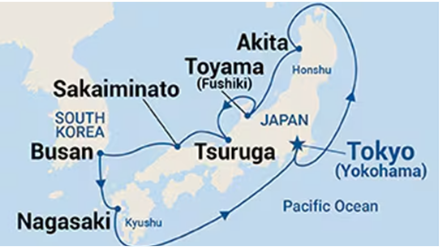
Likely Ports of Call: Yokohama (Tokyo), Kobe (for Kyoto/Osaka), Hiroshima (Peace Memorial Park), Nagasaki (WWII history), Sakaiminato (manga and port culture), and Busan, South Korea.

Destinations Included:

Honshu: Kobe, Hiroshima, Tokyo, and possibly coastal cities on the Sea of Japan side like Sakaiminato.

Kyushu: Nagasaki, known for its mix of Japanese, Chinese, and European history.

South Korea: Busan, a large port city, is a standard stop.

TERMS & CONDITION

Cancellation Policy

~ Postpone or cancel free of charge up to 10 days after the booking is confirmed ~ From 10 days after the booking is confirmed to 365 days prior to departure: EUR 150 plus RM100 refund admin fees per guest per cruise for the cruise service only ~ From 364 to 211 days prior to departure: 10% of total price ~ From 210 – 91 days prior to departure: 25% of total price ~ Cancellation within 90 days prior to departure: 100% of total price

Payment Terms

Deposit payment of 25% must be received within 10 days after the booking is conusrmed. ~ Balance payment must be made 90 days prior to departure ~ Booking made within 90 days prior to departure require full payment at

Destination

Tokyo, Japan

Departure Location

Tokyo, Japan

Return Location

Tokyo, Japan

Tour Validity

02 JUL - 19 OCT 2026

Embarkation : 12pm | Depart : 3pm

Make your own way to Yokohama cruise terminal If you arrive early.

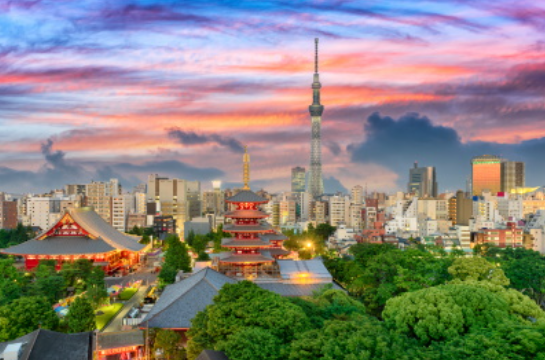
Explore Yokohama at your own leisure Yokohama and Edo began life as sleepy fishing villages. That changed in the early 17th century after Tokugawa Ieyasu became Shogun. Edo became the center of political power in Japan, a position the city retained even after the restoration of Imperial rule in 1866. Contemporary Tokyo may be the most astonishing city on earth. It’s a paradoxical mix of ancient tradition and postmodern culture. The Ginza – an international shopping mecca – stands near the serene grounds of the Imperial Palace, and the hyper-speed of 21st century consumerism is mysteriously reconciled with the elegance and serenity of traditional culture. Tokyo provides the traveler with a dizzying experience.
Day 2 :
At Sea

Enjoy every moment on sea

Nagasaki is a historic port city on the northwest coast of the island of Kyushu, Japan, known for its tragic yet significant role in World War II and its unique blend of Japanese, Chinese, and European cultural influences.

World War II History and Peace Memorials: On August 9, 1945, Nagasaki was the target of the second atomic bomb used in warfare. The city has since become a global symbol for peace and nuclear abolition.

Nagasaki Peace Park: A serene park commemorating the event, featuring a large Peace Statue and monuments donated from countries around the world.

Nagasaki Atomic Bomb Museum: Provides a detailed and somber account of the bombing, its impact, and the push for a nuclear-free world.

Hypocenter Park: Marks the exact spot where the bomb detonated in the air.

Nagasaki National Peace Memorial Hall: A place for reflection and prayer for the victims.

Busan is South Korea's second-most populous city and its largest port city, located on the southeastern tip of the Korean Peninsula. It is renowned for a harmonious blend of beaches, mountains, and cultural attractions.

Historical and Natural Sites:

Haedong Yonggungsa Temple: A rare and stunning Buddhist temple situated directly on the coast overlooking the sea.

Beomeosa Temple: A historic temple from the Silla era located at the base of Geumjeong Mountain, offering hiking trails and a serene escape.

Taejongdae Park: Known for its dramatic coastal cliffs, dense evergreen forests, and scenic lookouts on Yeongdo Island.

Sakaiminato is a port city in Tottori Prefecture, Japan, located on the Yumigahama Peninsula. It is famous for its thriving fishing industry and for being the hometown of renowned manga artist Shigeru Mizuki.

Sakaiminato is a must-visit for fans of GeGeGe no Kitarō and Japanese folklore.

Mizuki Shigeru Road: Stretching 800 meters from Sakaiminato Station, this street is lined with more than 170 bronze statues of yokai (supernatural monsters) from Shigeru Mizuki's manga series. The road is also home to themed shops and facilities.

Mizuki Shigeru Museum: The museum showcases the life and work of the manga artist, with exhibits on his murals, original prints, and recreations of his work studio.

Yokai Shrine: Found along the Mizuki Shigeru Road, this small shrine also features the yokai theme.

Tsuruga is a port city in Fukui Prefecture, Japan, known for its rich history as a crucial transportation hub and its natural beauty. It is located on the Sea of Japan coast, approximately 75 km northeast of Kyoto and 115 km northeast of Osaka

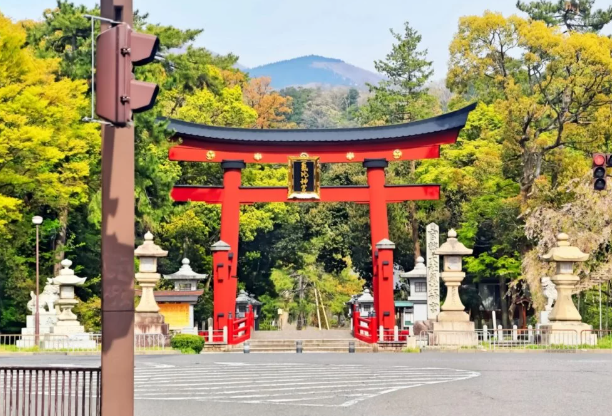
Cultural Sites: Visitors can explore historical sites such as the grand red torii gate of Kehi Shrine (Kehi Jingu), the well-preserved Tsuruga Red Brick Warehouse (which has a large diorama of the historic city), and the Former Tsuruga Port Station Building (Tsuruga Railway Museum).

Fushiki is a historic port district in Takaoka City, Toyama Prefecture, Japan. It is part of the larger Fushiki-Toyama Port, a major port on the Sea of Japan coast.

Fushiki-Toyama Port: A significant port known for handling breakbulk, containers, and bulk cargo, as well as serving as a cruise ship destination.

Historic Architecture: The area has well-preserved historical buildings, such as the Former Akimoto Family House (now a museum), which belonged to a wealthy shipping wholesaler.

Day 8 :
Akita

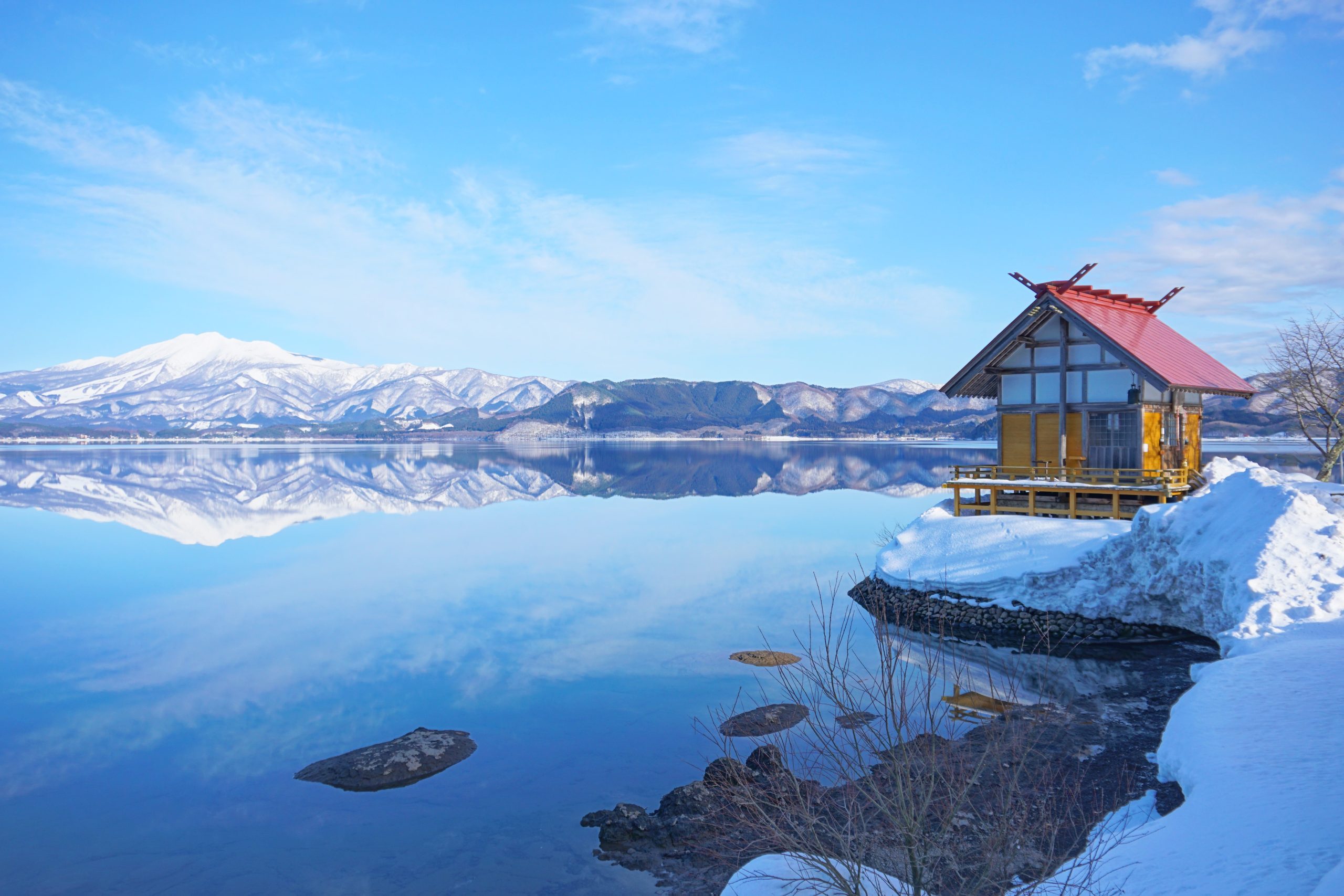
Akita is both the name of a prefecture and its capital city, located on the Sea of Japan coast in the northern Tohoku region of Japan. It is known for its heavy snowfall, rich cultural heritage, natural beauty, and local cuisine.

History and Culture: The town of Kakunodate preserves a beautiful and well-maintained samurai district from the Edo Period, offering a glimpse into feudal Japan. The Namahage Museum in Oga offers insights into the local Namahage tradition, where men in ogre masks visit homes on New Year's Eve to warn against laziness.

Day 9 :
At Sea

Enjoy every wave and sunset

DISEMBARKATION

Extend your post-cruise

Yokohama and Edo began life as sleepy fishing villages. That changed in the early 17th century after Tokugawa Ieyasu became Shogun. Edo became the center of political power in Japan, a position the city retained even after the restoration of Imperial rule in 1866. With the Meiji Restoration of 1868, Edo was renamed Tokyo, the “Eastern Capital,” to distinguish it from the old imperial capital at Kyoto, the “Western Capital.

  • Tokyo (Yokohama), Japan
  • Nagasaki, Japan
  • Busan, South Korea
  • Sakaiminato, Japan
  • Tsuruga, Japan
  • Toyama (Fushiki), Japan
  • Akita, Japan
  • Tokyo (Yokohama), Japan

What's included

PACKAGE INCLUDES

Cost Includes

  • - MedallionClass® experience
  • - Entertainment onboard
  • - On Board Dining

PACKAGE EXCLUDE

Cost Excludes

  • - Wi-Fi
  • - Dine at award-winning specialty restaurants
  • - Shore Excursions
  • - Spa services and The Sanctuary
  • - Laundry services
Date Price Ship
02 JUL to 11 JUL 2026 RM 6,495 Diamond Princess
10 OCT to 19 OCT 2026 RM 9,132 Diamond Princess

*Price is based on Per Person (pp).

Download PDF by Scanning QR Code

QR Code
10D9N Circle Japan (Roundtrip from Tokyo)
Trip info: 10D9N Circle Japan (Roundtrip from Tokyo)
×

Sedunia Travel

Chat on WhatsApp or Reach us via Email at: criuse@seduniatravel.com

×